In recent years, the cosmetics world has seen a steadily growing interest in organic skincare. More and more people are choosing natural products and formulas inspired by clean beauty, looking for a routine that is more respectful of the skin and of everyday well-being.
But what really changes between organic skincare and traditional skincare? The difference is not only about the ingredients used, but also about how the skin is treated over time, the philosophy behind the formulas and the overall experience of the skincare routine.
Understanding these differences helps you make a more conscious choice, in line with the real needs of your skin.

What is organic skincare
Organic skincare refers to a cosmetic approach focused on ingredients of natural origin and on formulas designed to work in harmony with the skin’s balance.
Organic skincare is generally based on:
- carefully selected botanical ingredients;
- essential formulas;
- gentle textures;
- attention to the skin’s well-being over time;
- a sustainable, clean beauty philosophy.
The goal is not only to achieve an immediate aesthetic result, but to support the skin through a more balanced and respectful routine.
In recent years this approach has become increasingly popular among those who want simple, natural skincare focused on the quality of its ingredients.
Traditional skincare: key features
Traditional skincare, on the other hand, often follows an approach more focused on immediate performance and on the sensory feel of the formulas.
Traditional cosmetics generally focus on:
- high-performance textures;
- an immediate effect on the skin;
- a wide variety of formulas;
- a strong sensory impact.
Many traditional products are designed to deliver fast, visible results, a feature that is especially appreciated by those looking for skincare with a strong aesthetic impact.
This does not mean that traditional skincare is necessarily less valid; it simply meets different needs compared to organic skincare.
The real difference between organic and traditional skincare
The most important difference between organic skincare and traditional skincare lies in the philosophy behind the formulas.
Organic skincare sees the skin as a dynamic system to be supported and cared for over time. Traditional skincare, instead, more often tends to focus on immediate results and fast cosmetic performance.
This distinction is reflected in:
- the choice of ingredients;
- textures;
- the sensory experience;
- consistency of use;
- the relationship between product and skin.
Organic skincare often focuses on balance, comfort and gentleness, while traditional skincare may favour faster, more visible effects.
Both approaches can be valid, depending on personal needs and on what you expect for your skin. To explore the comparison from a product perspective, read our guide organic cosmetics vs traditional cosmetics.
Ingredients in organic skincare
One of the most discussed aspects concerns the ingredients found in organic skincare.
Many organic formulas use:
- aloe vera;
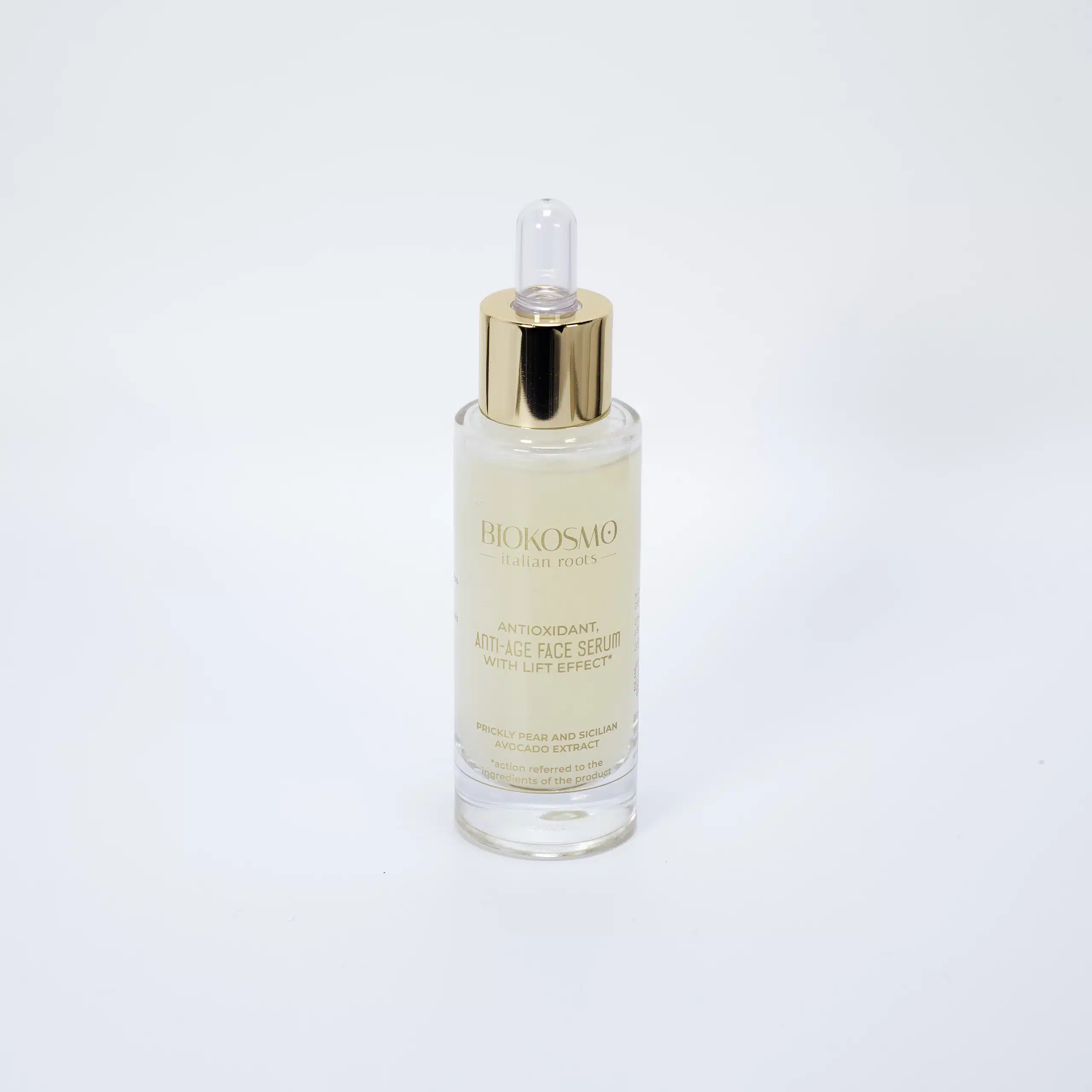
- prickly pear;
- avocado;
- antioxidant plant extracts;
- botanical oils;
- natural soothing ingredients.
These actives are chosen for their affinity with the skin and for their ability to support skin well-being gradually and consistently. To find out in detail how they work, read our article on botanical skincare and plant extracts.
In organic skincare, attention is not only on immediate effectiveness, but also on the quality of the daily experience and on how well the formulas are tolerated.
This is why many people with sensitive or reactive skin tend to turn to natural skincare.
Organic skincare and long-term skin well-being
One of the most appreciated advantages of organic skincare is its relationship with the skin over the long term.
Modern organic formulas are often designed to:
- support natural hydration;
- respect the skin’s balance;
- promote comfort and softness;
- care for the skin consistently.
Organic skincare fits perfectly into an essential, consistent beauty routine, where the skin’s well-being is built day after day.
This approach increasingly appeals to those who want skincare that is less aggressive and more focused on balance.
Why organic skincare is increasingly in demand
The growth of organic skincare is no coincidence.
Today consumers pay much more attention to the quality of ingredients, to sustainability and to the philosophy of cosmetic brands.
More and more people are looking for:
- natural ingredients;
- simpler skincare routines;
- gentle formulas;
- clean beauty;
- sustainable skincare;
- Made in Italy cosmetics.
Organic skincare responds perfectly to this market evolution because it offers a more conscious vision of beauty.
It is no longer just about “covering” or transforming the skin, but about supporting it and enhancing it over time.
Organic skincare in your daily routine
Adding organic skincare to your daily routine doesn’t mean completely overhauling your habits.
Often a few steps are enough:
- gentle cleansing;
- face serum;
- moisturising cream;
- daily protection.
Simplicity is one of the strengths of modern organic skincare.
Light textures, botanical ingredients and sensory rituals help make skincare a pleasant and sustainable moment in the long term. Discover the Biokosmo face care line, designed precisely for an essential and consistent routine.
It is precisely this consistency that contributes most to the skin’s well-being.
Clean beauty and organic skincare
When talking about organic skincare, the concept of clean beauty often comes up as well.
Clean beauty doesn’t just mean natural products, but a more transparent and conscious approach to cosmetics.
This means:
- attention to formulation quality;
- careful selection of ingredients;
- greater sensitivity towards sustainability and well-being;
- essential, modern skincare.
Organic skincare fits perfectly into this philosophy because it promotes a more natural, balanced and quality-oriented vision of beauty.
Organic or traditional skincare: which one to choose?
There is no universal answer.
The choice between organic skincare and traditional skincare depends on:
- skin type;
- skin sensitivity;
- lifestyle;
- personal preferences;
- what you expect from your skincare.
Those looking for a more natural, gentle and sustainable beauty routine often prefer organic skincare.
Those who want high-performance textures or particularly fast results may lean towards more traditional formulas.
The real difference lies in making a conscious choice.
A new idea of skincare
Today, skincare is no longer just a matter of appearance.
Skin care has become part of a lifestyle focused on well-being, quality and the search for balance.
Organic skincare represents exactly this evolution: cosmetics that combine botanical ingredients, a sensory experience and attention to the skin’s well-being over time.
It is not about choosing between natural and traditional in absolute terms, but about understanding what makes your skin feel good and building a routine that matches your daily needs.
And it is precisely from this awareness that truly effective skincare is born.